Exploring dementia support:Important things to Learn
Comprehending dementia care is critical for both those affected and caregivers. Recognizing the preliminary symptoms, such as memory impairment and linguistic challenges, can enable swift intervention. Multiple categories of dementia, including Alzheimer's and vascular dementia, bring specific hurdles. A empowering setting and proven care techniques can substantially improve quality of life. Still, emotional challenges and legal considerations complicate the caregiving journey. How can solutions promise holistic support while managing these complexities?
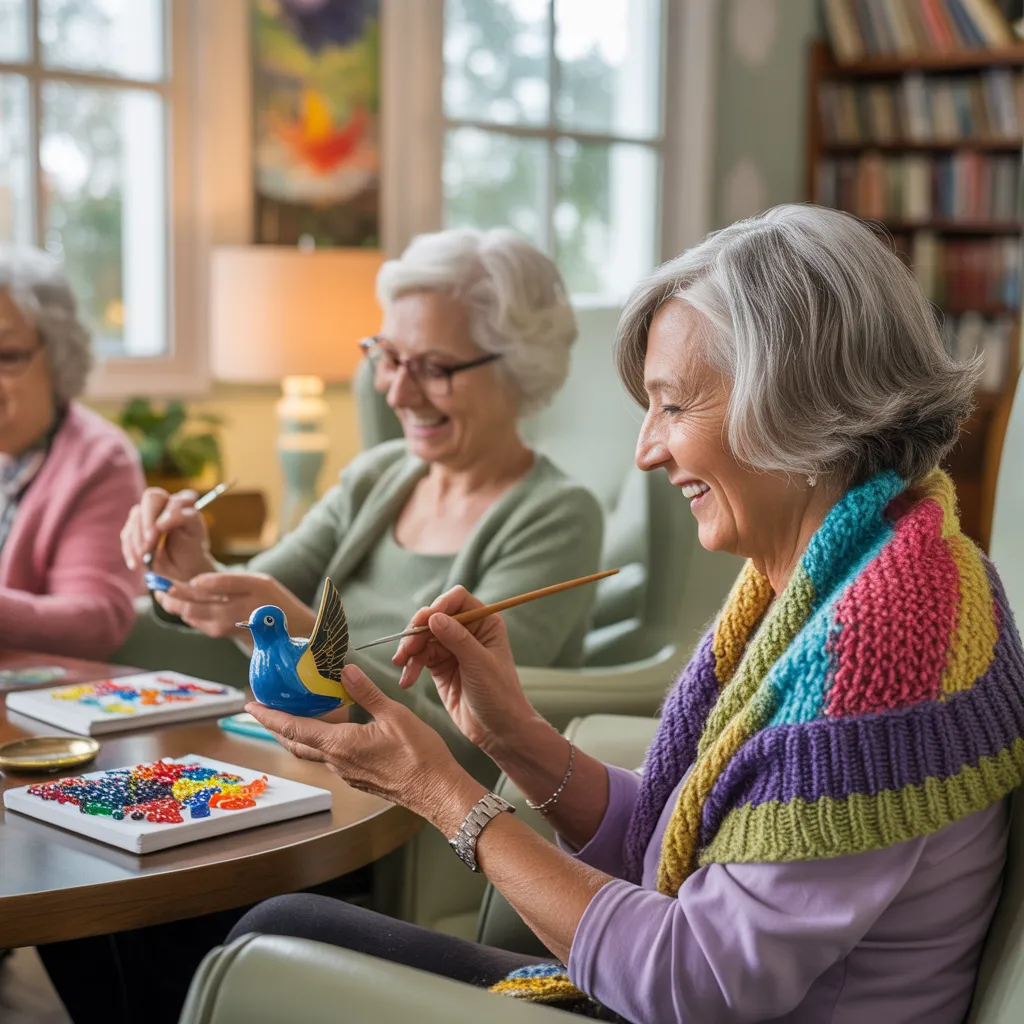
Detecting the Initial Manifestations of Dementia
How does one detect the early signs of dementia? Identifying the early signs is vital for timely intervention. Common symptoms encompass memory loss, especially missing recent events or conversations. People may also face difficulty in planning or organizing tasks, causing confusion in daily activities. Changes in language skills, like struggling to find the correct copyright or follow conversations, often appear.
Moreover, a person might display alterations in mood or behavior, ranging from increased irritability to social isolation. Difficulty in recognizing familiar places or faces can also emerge. These signs may be subtle at first, but their progression can markedly impact daily living. Awareness of these early symptoms allows for appropriate discussions with healthcare providers, facilitating early assessments and potential support options. Understanding these signs is essential for both the individual and their loved ones in navigating the complexities of dementia care.
What Are the Different Types of Dementia?
Understanding the early signs of dementia is just the beginning of maneuvering the challenges of the condition. Dementia is an overarching term that covers various types, each with specific features and root causes. Alzheimer’s disease is the most prevalent form, characterized by gradual memory loss and cognitive decline. Vascular dementia comes next, often caused by strokes, leading to impaired reasoning and judgment. Lewy body dementia exhibits variable attention, visual hallucinations, and motor symptoms like Parkinson’s disease. Frontotemporal dementia affects younger individuals, leading to changes in personality and behavior due to brain degeneration in the frontal and temporal lobes. Other types include mixed dementia, which combines features of multiple forms, and normal pressure hydrocephalus, characterized by fluid buildup in the brain. Understanding these types is essential for appropriate diagnosis and care strategies, ultimately enhancing the quality of life for individuals affected by dementia.
Creating a Supportive Setting for Alzheimer's Treatment
Constructing a caring environment for people with dementia involves careful evaluation of their residential areas and mental requirements. Protected residential areas reduce dangers and strengthen self-reliance, while memory reinforcement approaches can help in communication and memory. Working together, these features cultivate a sense of protection and well-being for those affected by dementia.
Safe Residential Spaces
A thoughtfully designed living space can profoundly improve the standard of living for individuals with dementia. Building safe living spaces demands eliminating hazards and fostering self-determination. Clutter must be minimized to prevent falls and disorientation, while clear corridors support movement. Ample lighting is necessary; brightly illuminated areas help people navigate their environment effortlessly and reduce anxiety. Adding familiar objects can supply comfort and a sense of belonging. Furthermore, applying different color contrasts to walls and floors can improve orientation abilities. Secure outdoor spaces facilitate risk-free discovery, promoting physical activity. Overall, deliberate design choices establish a nurturing environment that strengthens independence and enhances daily life for those living with dementia.
Memory Development Techniques
Memory reinforcement techniques serve as an essential role in assisting individuals with dementia by boosting recall and fostering a sense of security. These strategies include the use of cognitive supports, such as visual cues, labels, and photographs, which can help individuals navigate their surroundings and trigger memories. Regularity in routines and recognizable environments further enhance cognitive function. Engaging in reminiscence activities, where individuals discuss past experiences, also encourages mental stimulation and emotional connection. Additionally, fostering social interactions can stimulate memory recall and minimize feelings of isolation. These techniques not only aid memory but also contribute to overall well-being, helping individuals with dementia maintain a sense of identity and connection to their past. Creating a caring environment is vital for effective dementia care.
Critical Strategies for Providing Quality Dementia Services
Effective dementia care depends on the adoption of person-centered approaches and communication techniques customized for individual needs. By emphasizing the preferences and experiences of those with dementia, caregivers can establish a more supportive environment. Furthermore, employing transparent and empathetic dialogue can significantly improve interactions and understanding.
Client-Centered Care Models
Implementing person-centered care approaches significantly enhances the quality of life for individuals diagnosed with dementia. This strategy prioritizes the unique preferences, needs, and important factors of every individual, ensuring that care is carefully tailored to each one. By fostering a helpful and considerate environment, caregivers can encourage autonomy and engagement, allowing persons to retain a sense of identity. Activities should be connected to the person's past activities and routines, encouraging purposeful interactions and reducing anxiety. Collaborative decision-making further enables people and their families, reinforcing their participation in the caregiving procedure. Training caregivers in these approaches is crucial, as it arms them with the capabilities to respond empathetically and effectively to the changing needs of those with dementia.
Impactful Dialogue Tools
Clear and compassionate dialogue is crucial in dementia care, as it greatly affects the welfare of people dealing with the disease. Successful methods consist of employing simple language, keeping eye contact, and talking at a slow pace to enhance comprehension. Non-verbal cues, such as movements and facial expressions, can also strengthen verbal communication, offering additional information. It's vital to validate emotions and moments, even if they are rooted in misconceptions, to foster confidence and reduce worry. Paying close attention and giving ample space for responses promotes participation. Additionally, reducing distractions in the surroundings can further boost concentration. Overall, employing these strategies promotes a supportive atmosphere, enabling individuals with dementia to feel respected and understood, consequently enhancing their quality of life.
Managing Emotional Obstacles in Dementia Caregiving
Though care providers typically handle dementia care with sympathy and devotion, they regularly encounter major mental health difficulties that can affect both their wellness and the quality of care delivered. Feelings of frustration, sadness, and isolation are common as caregivers navigate the intricacies of the disease. The psychological burden can result in exhaustion, limiting their ability to deliver consistent support.
To face these obstacles, caregivers can benefit from building coping mechanisms, such as establishing structured habits and setting reasonable goals. Engaging in self-care practices—like fitness routines, leisure activities, or mindfulness—can help maintain mental equilibrium. Additionally, promoting open communication with family members and friends helps caregivers to communicate their struggles, easing loneliness. Acknowledging the importance of asking for help when needed is key; caregivers must focus on their mental well-being to sustain their caregiving roles effectively. By addressing these emotional challenges, caregivers can strengthen both their overall health and the care they extend to those with dementia.
Resources and Support for Care specialists
Managing the challenges of dementia care can be challenging, but abundant resources and care networks are available to assist caregivers. Major groups, such as the Alzheimer's Association, deliver educational materials, helplines, and community groups that build connection among caregivers. Online communities and websites additionally offer a venue for communicating experiences and advice, helping caregivers feel less isolated.
In addition, short-term relief programs provide caregivers time away, allowing them to restore themselves and copyright their health. Community centers frequently conduct skill-building programs and seminars to furnish caregivers with necessary competencies for addressing daily challenges. Moreover, numerous medical experts can point caregivers toward specialized counseling services adapted to address the psychological burden associated with caregiving. Through leveraging these resources, caregivers can expand their knowledge base, develop strong support networks, and in the end boost the caliber of assistance they offer, making certain both their own needs and the needs of their family members are met.
Planning for the Future: Juridical and Monetary Tips
Since caregivers work through the complexities of assisting family members with dementia, future planning becomes a substantial consideration. Financial and legal preparations can greatly lessen stress and ensure that the needs of people with mental decline are taken care of. Caregivers should examine forming durable power of attorney documents for health and financial decisions, allowing trusted parties to make determinations when necessary. Additionally, drafting a living will can express choices pertaining to medical care.
It is critical to assess current financial resources and plan for potential long-term care costs. This may involve working with money advisors who specialize in elder care to explore insurance options or government benefits. Moreover, organizing important documents, such as wills and medical records, can simplify procedures during crises. By addressing these financial and legal aspects in advance, caregivers can protect their family members' well-being and offer a more definitive path forward amidst the difficulties of dementia.
Questions Regularly Asked
What Are Ways to Enhance Dialogue With Someone Who Has Dementia?
To interact more effectively with someone who has dementia, one should speak in straightforward terms, look them in the eyes, be patient, engage in attentive listening, and recognize their emotional experience, fostering a supportive environment that encourages understanding and connection.
What Typical Myths Persist About Dementia?
Frequent misunderstandings about dementia include the convictions that it only affects memory, is inescapable with aging, and cannot be managed. Additionally, many underestimate the emotional impact on individuals and families, learn the details often viewing dementia as a purely medical condition.
How Does Dementia Affect Relationships With Family and Friends?
Dementia can weaken relationships with those they care about, often provoking interpretations, emotional distance, and altered dynamics. Those caring may sense overwhelming pressure, while loved ones might struggle to connect as communication and recognition decline considerably.
What Measures Can I Implement When Facing a Alzheimer's Crisis?
In a dementia crisis, it is crucial to stay composed, guarantee safety, and assess the situation. Contact medical experts for guidance, offer reassurance, and create a caring atmosphere to help reduce distress for the person.
How Can I Take Care of Myself as a Care Provider?
Caregivers must emphasize personal health by establishing boundaries, seeking assistance from friends or support groups, participating in consistent exercise, maintaining healthy nutrition, and ensuring space for relaxation and hobbies to restore mentally and physically.